The Federal Communications Commission (FCC) has proposed new rules that, if passed, would mark major changes to callers’ and carriers’ practices.
These are proposed rules that would affect how you call, how carriers process your calls, and how terminating carriers complete your calls—or not.
The FCC is seeking comments, and we encourage all affected businesses to let the FCC know how these proposed rules could impact them.
Summary of Proposed Rule Changes
Below is a quick summary of the rules the FCC is proposing to eliminate:
Consent Revocation Rule
The FCC is proposing to eliminate the revoke-all consent revocation rule, a major part of which was delayed to April 11, 2026.
As many know, this rule caused quite a stir in the industry, prompting the FCC to delay its effective date by a year, and the industry has continued to highlight why this default revoke-all rule can be bad for businesses and consumers alike.
That’s not to say the FCC is proposing to rule that consumers can never revoke consent. Rather, the FCC is seeking comment on a better-balanced rule that protects well-meaning consumers without making the TCPA litigation landscape even more predatory than its current state.
Call Abandonment Limits
The FCC is proposing to eliminate its rules on 15-second/four-ring calls and 3% call-abandonment rates. Technological improvements and market incentives are said to have mooted the need for these rules.
Artificial/Prerecorded Caller ID Callback
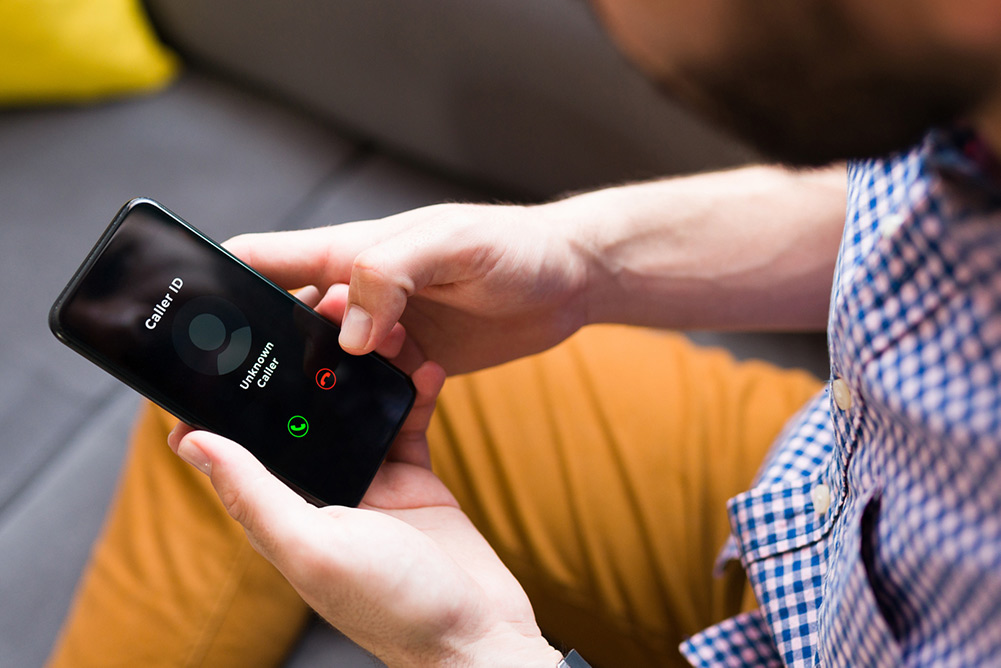
The FCC is also asking whether to eliminate the requirement to provide a non-toll, call-back number on all prerecorded/AI calls, and instead have callers identify themselves with their telephone number to enable called consumers to know who is calling.
What These Proposed Rules Mean for Businesses
These rules all sound positive, but the FCC is also proposing major changes to how originating, gateway, and terminating carriers process your calls.
This includes asking major questions about all foreign-originated calls, including whether those calls can even use domestic US phone numbers (or have all those calls come from a single area code).
Under these proposed rule changes that apply to carriers (and therefore callers when turning up service with their carrier):
- Originating carriers will have to send verified caller ID info—including caller name, or so-called CNAM—in the call’s metadata whenever your calls are entitled to an “A” grade under the STIR/SHAKEN rules (which is when the carrier has a verified relationship with the caller and their phone number used on that call).
- Existing CNAM and so-called Branded Caller ID services may or may not co-exist with this new system, as this proposed process embeds the additional caller name data in the call stream using Rich Call Data (RCD).
- The Commission is also asking a host of questions about how to handle foreign-originated calls, including requiring terminating carriers to flag all foreign-originated calls on the called party’s telephones.
With that said, the Commission has noted that its existing STIR/SHAKEN rules have done a poor job of cutting down on fraudulent and illegal traffic. Indeed, it cites evidence that nearly half of illegal calls received an “A” level attestation.
So the wisdom of doubling down on that process and having more data from the same process seems less than obvious. Never mind the well-known perils of letting terminating carriers block, label or interfere with calls based on their ‘reasonable analytics,’ an opaque process that varies carrier by carrier, and seemingly day by day.
Key Takeaways
The Commission’s goals—cut out the junk so Americans will answer their phones again—are certainly well-intentioned. The question for you is whether they’re going about it in the best way.
The agency is giving you a chance to be heard. Comments to the FCC’s proposed rules will be due 30 days after they’re published in the Federal Register, which should be quite soon now that the government has re-opened.
This article is only offered for informational purposes; it is not legal advice. Please consult a qualified attorney for your specific compliance needs.

Joe Bowser
Joe Bowser is a partner at Roth Jackson. He has been practicing communications and marketing law for two decades. He advises and defends calling and SMS platform providers (like Readymode), carriers/VoIP providers, and heavy users of those services in their wide range of compliance needs. In his spare time, you can find him taking his boys to their sports, getting in a workout of his own, or catching an Arsenal match.